Spicy: A Bold Font for Business Branding
As a small business owner, I’ve learned that the right font can make all the difference in how a brand is perceived. Recently, I was tasked with updating a bakery’s packaging and realized that the current font wasn’t doing justice to their fresh, handmade products. That’s when I discovered Spicy—a modern, playful handwritten script font that brought a new energy to their branding.
What Is Spicy and Why It Works
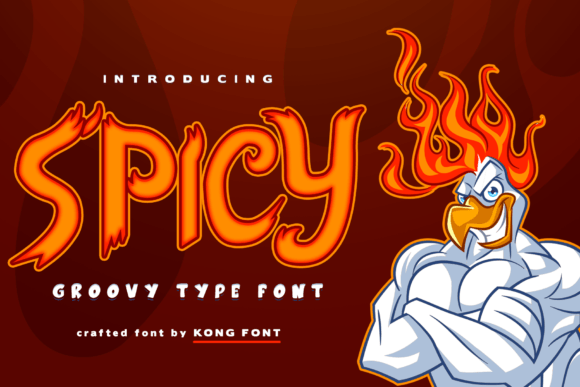
Spicy is a handwritten script font with a lively, energetic feel. Its fluid strokes and slightly irregular shapes give it a personal, handcrafted vibe that feels approachable and fun. Unlike more rigid typefaces, Spicy adds a sense of warmth and creativity, making it ideal for businesses that want to stand out without sacrificing professionalism.
The font’s personality makes it perfect for headlines, logos, and short phrases. It’s not the best choice for long blocks of text, but as a display font, it shines on product labels, packaging, and social media graphics. Its unique character helps brands create a memorable visual identity that feels authentic and modern.
Real-World Use Cases for Spicy
One of the first projects I used Spicy on was a candle seller’s label redesign. The original labels felt generic, but with Spicy, the brand’s name and product names now pop with a fresh, artisanal flair. The font added a sense of quality and care that resonated with customers.
Another example came from a café looking to update their menu. Using Spicy for the menu headings and special offers gave the design a more personalized touch. It made the menu feel less like a list of items and more like an invitation to experience something unique.
For a beauty brand, Spicy worked well on skincare labels. The font’s soft curves and playful style balanced the clean, professional look of the rest of the design. It helped reinforce the brand’s commitment to natural, handmade ingredients while still maintaining a polished appearance.
How Spicy Enhances Brand Consistency
Consistency is key in branding, and Spicy helps create a cohesive visual language across different materials. Whether it’s a business card, Instagram post, or online shop banner, using the same font reinforces brand recognition. When customers see the same style repeatedly, they begin to associate it with the business itself.
Spicy also helps build trust. While it’s playful, it doesn’t come off as unprofessional. Instead, it shows that the business is creative and thoughtful about its presentation. This balance is especially important for small businesses trying to establish credibility in a competitive market.
Practical Tips for Using Spicy
When using Spicy, it’s best to keep it simple. Pair it with a clean sans serif or serif font for body text to ensure readability. For example, using Spicy for a headline and a modern sans serif for the supporting details creates a clear visual hierarchy.
On small labels or mobile screens, be mindful of legibility. While Spicy looks great in larger sizes, it can become difficult to read when scaled down. For printed packaging, test the font at actual size to make sure it looks sharp and clear.
Spicy also works well as a decorative accent. Use it sparingly for logos, stickers, or social media thumbnails to add visual interest without overwhelming the design.
Why Spicy Belongs in Your Design Toolkit
Spicy is a versatile tool for any business looking to elevate their brand. As a freebie, it’s an accessible option for small creators and entrepreneurs who want to experiment with typography without breaking the bank. Its compatibility with design tools like Photoshop and Silhouette makes it easy to integrate into existing workflows.
Whether you’re designing packaging, updating a menu, or creating digital ads, Spicy adds a unique touch that sets your brand apart. It’s a font that feels both modern and personal, making it a valuable addition to any creative project.
Ultimately, the right font isn’t just about aesthetics—it’s about communication. Spicy helps businesses express their personality while maintaining a level of professionalism that resonates with customers. For small businesses, that’s a powerful advantage.